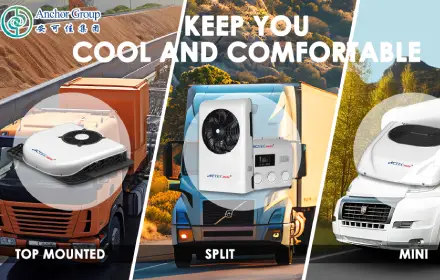
As global logistics networks continue expanding, driver comfort and fleet operating efficiency are becoming increasingly important across the commercial transportation industry. Long-haul truck drivers often spend extended hours resting inside vehicle cabins during overnight stops, border clearance waiting times, or mandatory break periods. In hot climates and peak summer conditions, maintaining a comfortable cabin temperature is no longer a luxury — it is directly linked to driver fatigue management, operational safety, and retention rates.
This shift is driving strong market demand for parking AC units and truck parking air conditioners worldwide.
Unlike conventional vehicle air conditioning systems that rely on the engine running continuously, parking air conditioner systems are specifically engineered to operate while the truck is parked. These systems provide stable cooling performance without prolonged engine idling, helping fleet operators reduce fuel consumption, lower emissions, and comply with increasingly strict anti-idling regulations across multiple regions.
For logistics companies, refrigerated transport operators, fleet owners, and commercial vehicle distributors, parking AC systems are rapidly becoming a standard configuration rather than an optional upgrade.
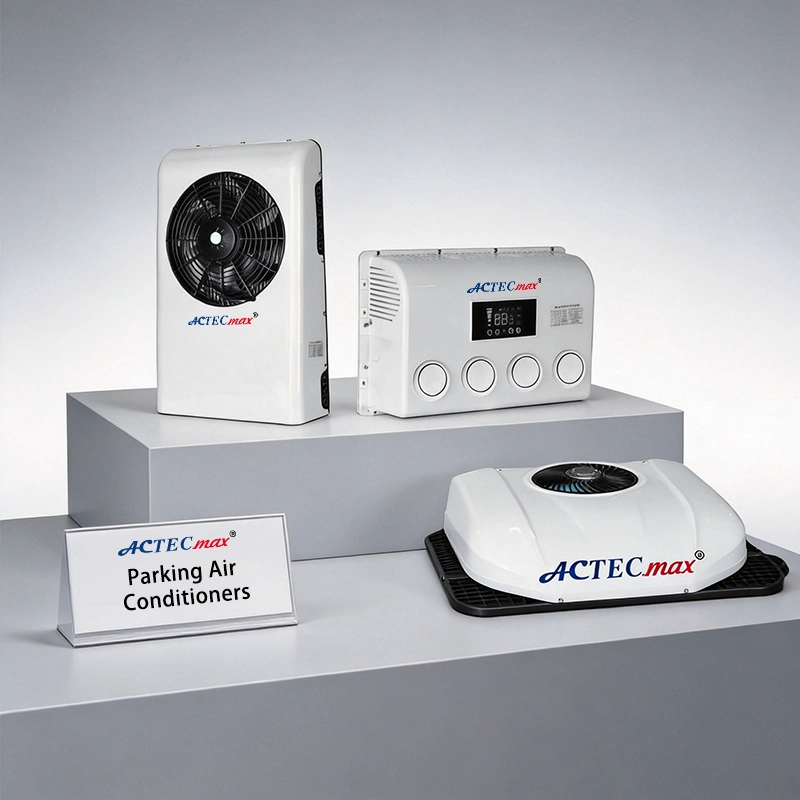
A parking air conditioner is an independent or battery-powered cooling system designed for truck cabins, sleeper cabs, vans, engineering vehicles, agricultural machinery, and other commercial vehicles.
These systems continue delivering cabin cooling when the engine is turned off, allowing drivers to rest comfortably without consuming excessive fuel through engine idling.
Modern parking AC units generally include:
Depending on the configuration, systems may operate using:
Traditional idle cooling requires continuous engine operation, which significantly increases diesel consumption during overnight parking periods. Parking air conditioners eliminate unnecessary engine idling and help reduce operational fuel expenses.
For fleets operating dozens or hundreds of trucks, even small reductions in daily fuel usage can translate into substantial annual savings.
Driver shortages remain a major challenge across global trucking markets. Comfortable sleeper cabin environments help improve driver satisfaction, reduce fatigue, and support longer driver retention cycles.
Stable cabin temperatures during hot summer nights also contribute to better sleep quality and improved driving safety.
Many countries and regions are introducing stricter anti-idling laws aimed at reducing emissions and urban pollution.
Parking AC systems allow fleets to maintain cabin cooling while complying with environmental regulations and sustainability targets.
Battery-powered and inverter-based parking air conditioner systems are becoming increasingly important as commercial vehicles move toward electrification and lower-emission transportation platforms.
Modern systems now feature:
These technologies improve energy efficiency while extending system operating time.
Parking AC units are widely used across multiple vehicle categories:
In hot-climate regions such as the Middle East, Southeast Asia, Latin America, and parts of Africa, parking air conditioners are increasingly viewed as essential operational equipment.
The Asia-Pacific region is currently one of the fastest-growing markets for truck parking air conditioners.
Several factors are driving regional demand:
Countries including China, India, Indonesia, Thailand, and Vietnam are witnessing accelerated demand for commercial vehicle climate control systems.
Meanwhile, markets in the Middle East and Latin America are also showing growing adoption due to extreme ambient temperatures and expanding transportation networks.
Beyond standard wholesale procurement, many distributors and fleet operators are increasingly seeking OEM and ODM parking AC solutions.
Customization requirements may include:
For commercial vehicle distributors, developing proprietary parking AC product lines allows greater market differentiation and improved pricing flexibility.
When sourcing parking air conditioner systems, B2B buyers typically evaluate several key factors:
The system must maintain stable cooling under high ambient temperatures and demanding operating conditions.
Lower power consumption directly affects battery runtime and operating costs.
Commercial vehicle air conditioners must withstand vibration, dust, long operating cycles, and harsh road environments.
Technical assistance, spare parts availability, and warranty responsiveness are essential for long-term fleet operation.
Buyers increasingly prefer suppliers with in-house production, OEM/ODM capability, and stable export experience.
Anchor Group provides parking air conditioner systems for commercial vehicles, trucks, refrigerated transport fleets, agricultural machinery, and engineering vehicles.
With years of experience in automotive climate control manufacturing, the company offers:
The company’s parking AC units are engineered for stable cooling performance, efficient airflow circulation, and long operating durability under demanding transportation conditions.
Whether for fleet procurement, aftermarket distribution, or branded OEM projects, Anchor Group supports flexible cooperation models for global B2B partners.
The global shift toward fuel efficiency, driver welfare, emissions reduction, and smart fleet management is accelerating demand for parking AC units worldwide.
As trucking operations become increasingly competitive, parking air conditioners are evolving from optional accessories into critical fleet infrastructure.
For distributors, fleet operators, and commercial vehicle solution providers, investing in reliable parking air conditioner systems can improve operating efficiency, enhance driver comfort, reduce fuel costs, and strengthen long-term competitiveness in the transportation industry.